Your Car's Heart: Grasping How an Engine Operates
The engine functions as the heart of any vehicle, converting fuel into mechanical energy. It runs through a series of exact cycles, transforming air and fuel into power. Vital components collaborate seamlessly to deliver motion. However, many drivers disregard the details of engine mechanics. Grasping these elements can greatly impact performance and longevity. What typical issues might occur, and how can they be addressed effectively?
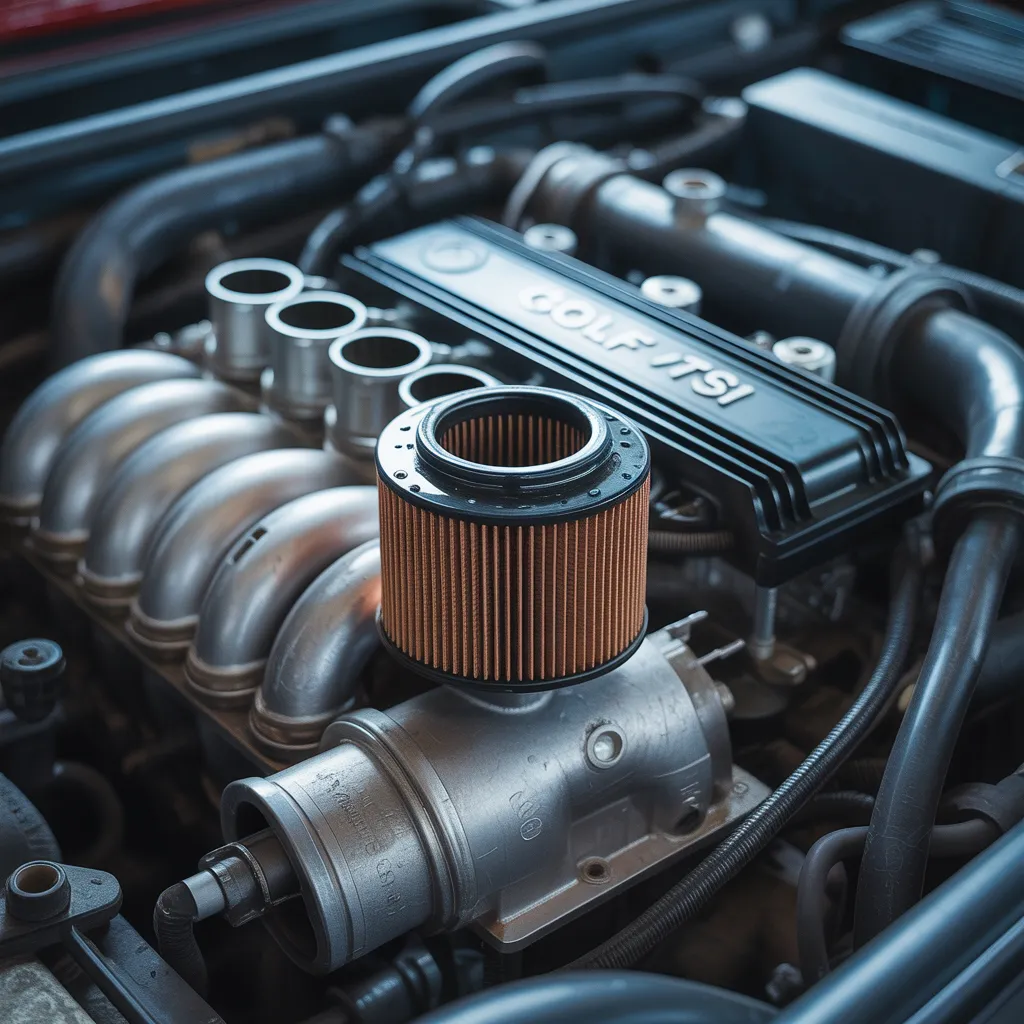
Standard Engine Malfunctions and Remedies
Frequent engine issues can substantially impact vehicle performance and reliability. One common problem is overheating, often triggered by a malfunctioning thermostat or coolant leak. This can result in severe engine damage if not addressed promptly. Another common issue is poor fuel efficiency, which may stem from clogged fuel injectors or a dirty air filter, affecting overall engine performance. Additionally, unusual noises, such as knocking or tapping, can signal serious internal damage that needs immediate attention. Misfiring is another concern, often stemming from faulty spark plugs or ignition coils, causing rough idle and decreased power. Finally, oil leaks can compromise lubrication, causing increased wear on engine components. Regular maintenance, including oil changes and inspections, can help detect these issues early and reduce costly repairs. Resolving these frequent engine problems promptly guarantees a more reliable and efficient vehicle operation.
The Fundamental Components of an Engine
An engine is made up of several vital components that work together to power its operation. Knowing these major parts is vital for comprehending how the engine cycle runs effectively. Each component serves a defined role that contributes to the overall performance of the engine.
Main Engine Parts
Engines are complex mechanical systems made up of numerous vital parts that function in unison to transform fuel into kinetic energy. At an engine's heart lies the cylinder block, which accommodates the cylinders and delivers structural stability. Inside the cylinders, pistons travel upward and downward, propelled by fuel combustion. The crankshaft transforms this linear motion into rotary motion, ultimately powering the vehicle. The camshaft, working in tandem with the crankshaft, controls the timing of valve openings and closings. Additionally, the intake and exhaust manifolds manage the flow of air and exhaust gases. Supporting these components are the fuel system, which supplies fuel, and the cooling system, which prevents overheating, ensuring peak engine performance and longevity.
Engine Operational Cycle
The engine operation cycle develops through a series of precisely timed processes that transform fuel into functional energy. This cycle is made up of four main strokes: intake, compression, power, and exhaust. During the intake stroke, the engine pulls in a mixture of air and fuel. The compression stroke comes next, where the mixture is compressed to boost its potential energy. The power stroke fires this mixture, pushing the piston down and producing mechanical energy. Finally, the exhaust stroke pushes out the spent gases from the combustion chamber. Each stroke is essential, requiring exact timing and coordination among components such as the pistons, crankshaft, and valves. This sophisticated cycle ensures the effective transformation of fuel into motion, powering the vehicle forward.
The Process of Fuel and Air Mixing to Power Your Vehicle
When fuel and air blend within the engine's combustion chamber, a specific chemical reaction happens that creates the power needed to propel a vehicle. This mixture is crucial; the proper ratio ensures maximum performance. Usually, the ideal air-to-fuel ratio is around 14.7:1, meaning 14.7 parts air to one part fuel.
In contemporary engines, fuel injectors atomize the fuel, producing a fine mist that blends completely with incoming air. This process improves combustion efficiency, enabling a more complete burn of the fuel. The air enters through the intake manifold, where it is cleaned and controlled before entering the combustion chamber.
The piston compresses this mixture in preparation for ignition, triggered by the spark plug. The resulting ignition creates rapid expansion of gases that drives the piston downward, ultimately converting chemical energy to mechanical energy and powering the vehicle forward.
The Impact of Combustion on Engine Performance
Even though combustion is commonly regarded simply as the mechanism of burning fuel, its productivity and effectiveness significantly influence engine performance. The combustion process changes fuel into energy, and the quality of this reaction defines how effectively an engine operates. Ideal combustion develops when the fuel-air mixture combusts at the proper moment and burns fully, enhancing power output and reducing waste.
Suboptimal combustion can cause incomplete fuel burning, causing lower power and increased emissions. Variables such as fuel quality, engine design, and ignition timing play critical roles in achieving efficient combustion. For instance, advanced ignition systems can optimize the timing, ensuring that combustion occurs at the most optimal point in the power cycle.
Ultimately, understanding how combustion impacts engine dynamics allows for better tuning and maintenance, leading to improved performance and longevity of the vehicle.
Comprehending Engine Cooling Systems
Efficient engine cooling systems play a vital role in maintaining superior engine performance and longevity. These systems eliminate overheating, which can cause substantial damage to engine components. The primary mechanism involves flowing coolant through the engine block, absorbing extra heat generated during combustion.
The coolant next flows to the radiator, where it dissipates heat into the ambient air. This process is helped by a water pump, which ensures coolant flow, and a thermostat that regulates temperature by directing coolant circulation.
Beyond these components, cooling fans assist in airflow, especially during low-speed situations or when the vehicle is stopped.
Correctly operating cooling systems also contribute to fuel efficiency and emissions control. Therefore, understanding the complexities of engine cooling systems is vital for any vehicle owner seeking to ensure optimal engine health and performance over time.
Recommendations for Sustaining Your Engine's Performance
Preserving an engine's health is vital for ensuring maximum performance and longevity. Regular oil changes are critical, as clean oil lubricates moving parts and reduces friction. Checking and replacing air filters helps preserve ideal air intake, encouraging efficient combustion. Additionally, monitoring coolant levels averts overheating, which can result in severe engine damage.
Routine inspections of belts and hoses can identify wear and tear before they cause costly repairs. Keeping the engine clean from dirt and debris assists in temperature regulation and performance. It is also suggested to use high-quality fuel to increase engine efficiency and reduce carbon buildup.
Last but not least, adhering to the manufacturer's maintenance schedule is imperative for scheduled servicing. By implementing these guidelines, vehicle owners can considerably extend their engine's lifespan while ensuring it operates efficiently and smoothly.
Common Questions
How Do Hybrid Engines Differ From Traditional Engines?
Hybrid engines combine an internal combustion engine with an electric motor, boosting fuel efficiency and decreasing emissions. By comparison, traditional engines only rely on diesel or gasoline, lacking the electric component for energy conservation.
How Does Engine Oil Impact Performance?
Engine lubricant oils moving parts, decreases friction, and releases heat, boosting overall efficiency. It further purifies engine elements and inhibits deterioration, securing long life and productivity in traditional as well as hybrid engine systems.
How Can I Identify an Overheating Engine?
Overheating may occur in an engine when the temperature gauge rises above normal, steam releases from the hood, or warning lights come on. Abnormal sounds or loss of power may also point to potential overheating problems.
What Are the Signs of a Failing Engine?
Symptoms of a failing engine include abnormal noises, reduced power, excessive exhaust smoke, poor fuel efficiency, warning lights on the dashboard, and overheating. These signs often suggest underlying mechanical problems demanding immediate attention.
How Does Motor Size Impact Fuel Efficiency?
Engine displacement chemical drain cleaner substantially influences fuel efficiency; larger engines typically consume more fuel due to elevated performance demands. On the other hand, smaller engines often attain better mileage, balancing performance and economy based on operating circumstances and vehicle design.